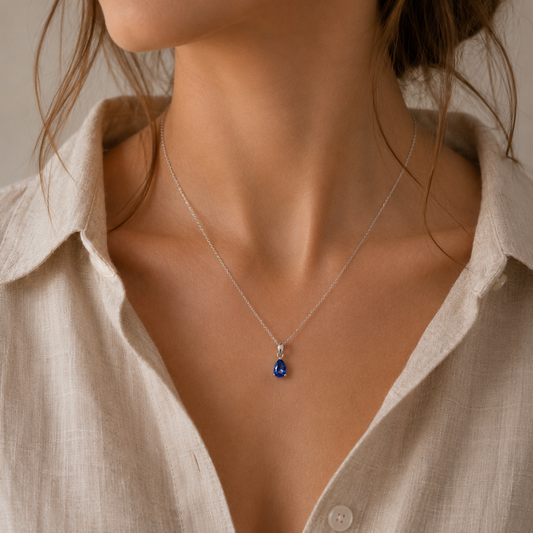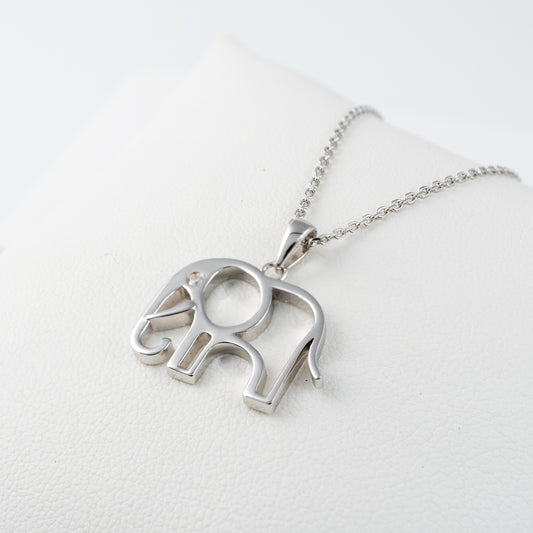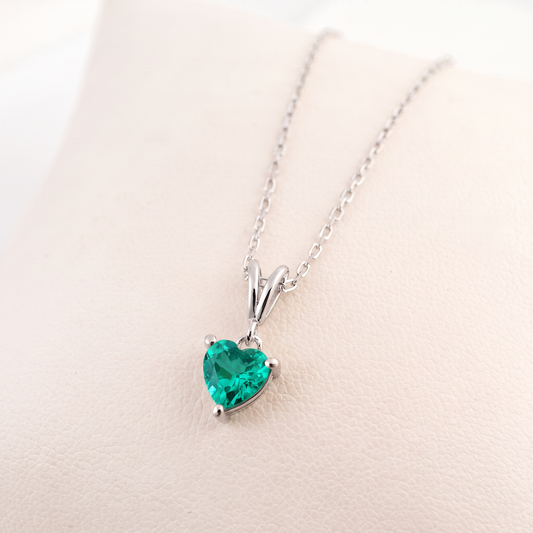

925 Silver Meaning: What Does 925 Mean on Silver Jewellery?
925 silver means sterling silver containing 92.5% silver and 7.5% other metals, usually copper. A 925 stamp indicates the stated silver fineness, but a stamp alone is not independent proof that a piece is genuine.
Jump to Sections:
What Does 925 Mean on Silver?
The “925” stamp on silver jewellery or accessories indicates sterling silver, an alloy containing 92.5% silver and 7.5% other metals. Pure silver is softer; alloying it with other metals makes it more practical for many jewellery designs. The mark may appear inside a ring, on a clasp or on an earring post.
A fineness stamp and an independently applied assay hallmark are not the same thing. When buying, check the individual product description, any hallmark information and the seller’s details rather than relying on a number alone.
Explore our sterling silver jewellery collection for designs with their individual materials, finishes and markings explained.
The History of Sterling Silver
Sterling silver has a long history in coinage, silverware and jewellery. Today, the term describes silver of 925 fineness. It remains a familiar material in both vintage pieces and contemporary designs.
925 Silver vs Other Silver Types
| Type | Silver content | What to know |
|---|---|---|
| 925 sterling silver | 92.5% | A silver alloy used for jewellery and silverware; finishes and construction vary. |
| Fine silver | 99.9% | A higher-purity silver that is softer than sterling silver. |
| Silver-plated | Varies | A silver surface coating over another material, not sterling silver throughout. |
| 800 silver | 80% | A lower-fineness silver alloy found in some vintage silverware and other objects. |
Some sterling silver jewellery has a rhodium-plated finish. The underlying metal is still sterling silver, but the coating affects its appearance and care. Read our guide to rhodium-plated silver and tarnishing.
How to Tell if Silver Is Real

Start with the seller’s material description and the piece’s markings. A 925 stamp is a useful clue, but stamps can be copied. A magnet, cloth rub or smell test cannot independently establish silver purity: other materials may give similar results, and clasps or fittings can contain different metals.
If authenticity is uncertain, ask a reputable jeweller to inspect the piece and advise on suitable testing. Do not attempt acid testing at home; testing can damage a piece and requires appropriate expertise.
Does 925 Silver Tarnish?
Yes. Silver can react with sulphur-containing compounds in its surroundings, producing a dark surface layer. Tarnish does not by itself mean a piece is fake or poor quality.
Choose a cleaning method suited to the whole piece, including any gemstones, plating or intentional darkened finish. Avoid assuming an abrasive paste or silver dip is suitable for every silver item. If unsure, ask a jeweller before cleaning.

Store pieces separately in a dry place to limit scratches and avoid leaving jewellery in humid bathrooms.
Is 925 Silver Hypoallergenic?
A 925 mark does not guarantee that a finished piece is nickel-free or suitable for every person with sensitive skin. It specifies silver content, not every alloying metal, solder, fitting or coating. If you have a known metal allergy, ask the seller about the materials in the complete piece.
Can You Wear 925 Silver Every Day?
Many sterling silver designs are suitable for regular wear, but suitability depends on the design, stones and finish. Remove jewellery before swimming, showering, strenuous activities or using harsh cleaning products, and follow the individual piece’s care instructions.

Why Choose Sterling Silver?
Sterling silver offers a bright appearance and versatility across simple and intricate jewellery designs. It is often a more affordable precious-metal option than gold, although prices depend on the piece, workmanship and gemstones.
Unlike a silver-plated base-metal item, a sterling silver piece has a sterling silver body. That does not mean every design is solid-filled; some pieces are hollow. Choose jewellery for its design, materials and suitability rather than a promise of investment returns or guaranteed resale value.
Conclusion
Understanding 925 silver helps you compare materials, ask informed questions and choose appropriate care. Check the complete product details, distinguish a fineness stamp from an assay hallmark, and seek professional advice if authenticity is uncertain.
Explore More Articles
- How to Clean Silver Jewellery at Home
- Does Rhodium-Plated Silver Tarnish?
- What Does 375 Mean on Gold?
FAQs
Is 925 silver good quality?
925 is the fineness of sterling silver. The quality of a finished piece also depends on its construction, workmanship, stones and finish.
Is 925 silver 100% silver?
No. Sterling silver contains 92.5% silver and 7.5% other metals, usually copper.
Does 925 silver turn green?
Copper-containing alloys can sometimes leave green marks when they react with moisture or substances on the skin. A 925 stamp does not establish that a piece is nickel-free. If you experience irritation, stop wearing the piece and seek appropriate advice.
Why does sterling silver tarnish?
Silver reacts with sulphur-containing compounds in its surroundings, forming a dark surface layer. Tarnish does not by itself indicate that the silver is fake.
Can you shower with sterling silver?
It is best to remove jewellery before showering or swimming. Water, products and repeated exposure can affect the metal, stones or finish.
Does sterling silver tarnish faster in humid climates?
Humidity can contribute to tarnishing. Store jewellery in a dry place and follow care instructions for its particular stones and finish.
How do you clean tarnished sterling silver?
Use a method suited to the whole piece, including stones, plating and any intentional patina. Ask a jeweller if unsure, and check the cautions in our silver cleaning guide before choosing a method.
Is sterling silver better than white gold?
Neither is universally better. Compare the individual design, alloy, finish, care needs and price, and choose according to your preferences.
Is 925 silver real?
Sterling silver is genuine silver alloyed to 925 fineness. A 925 stamp indicates that stated fineness, but a stamp alone does not prove authenticity.